Why blood pressure may be checked lying down and standing up
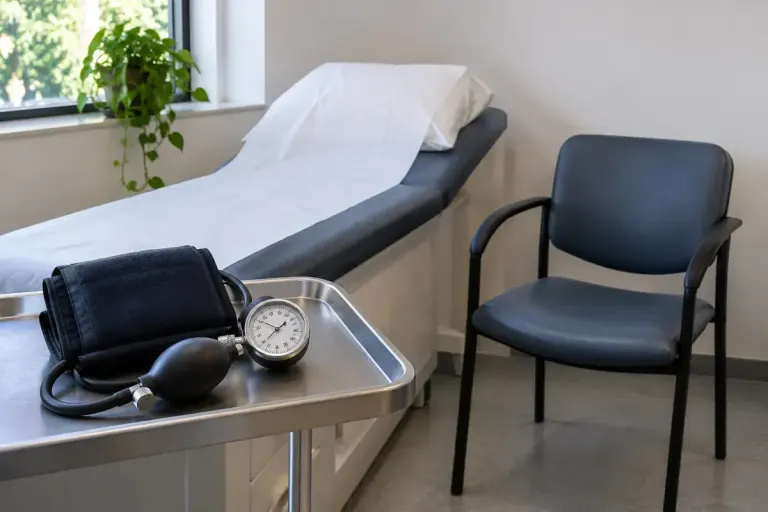
Lying and standing blood-pressure readings help clinicians assess symptoms after a change of posture. Understand the appointment and the information worth bringing.

Lying and standing blood-pressure readings help clinicians assess symptoms after a change of posture. Understand the appointment and the information worth bringing.
Fitzpatrick phototype describes a skin-response pattern. Understand its purpose, its limits and the information worth sharing in a skin consultation.

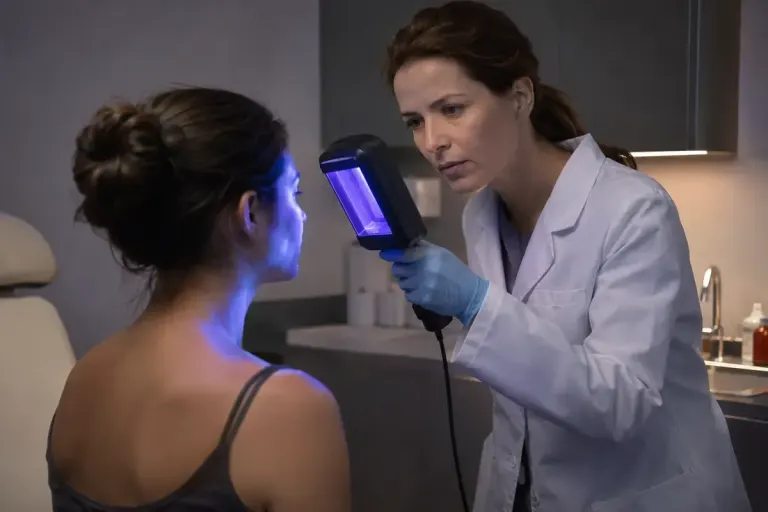
A Wood’s lamp adds ultraviolet illumination to a skin examination. Learn what it can reveal, how to prepare, and why results need clinical context.

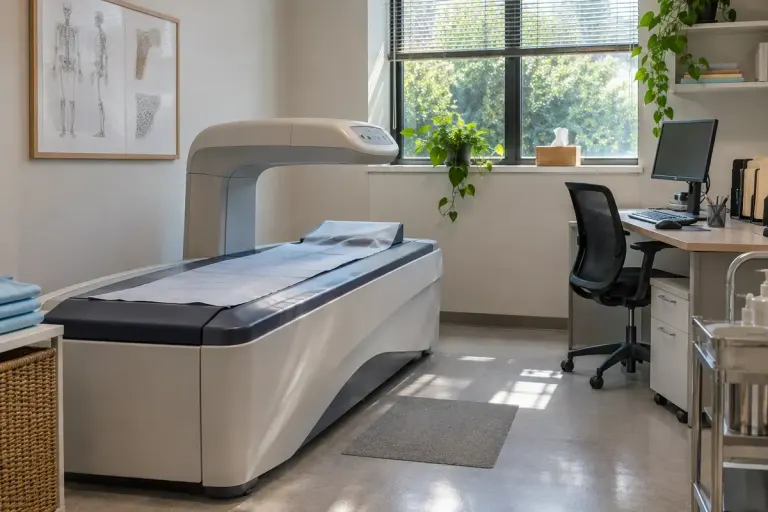
DXA can support different assessments. Confirm whether your appointment concerns bone density, body composition or another specific clinical question.

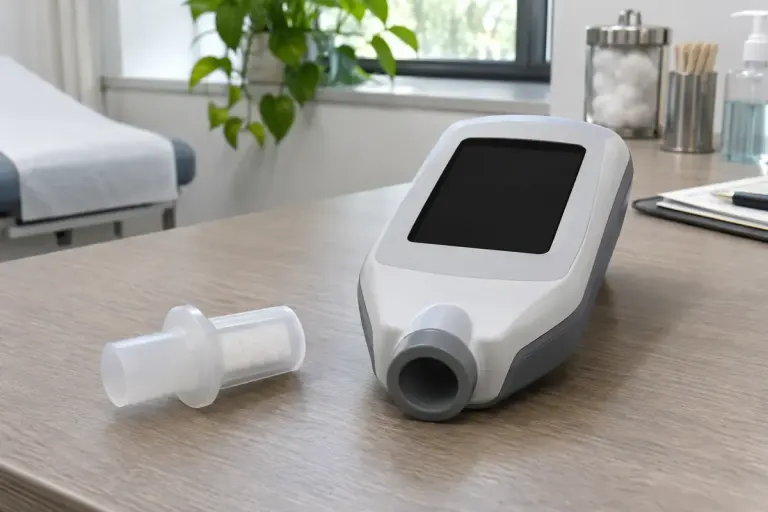
FeNO measures nitric oxide in exhaled breath to help assess airway inflammation. Understand the appointment without treating one reading as a diagnosis.

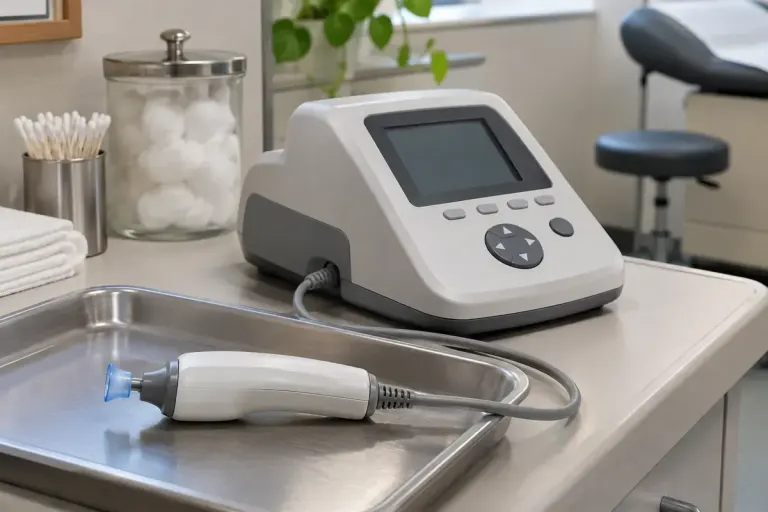
Learn what tympanometry measures, why it is used alongside other hearing tests and which questions can help you understand the result.

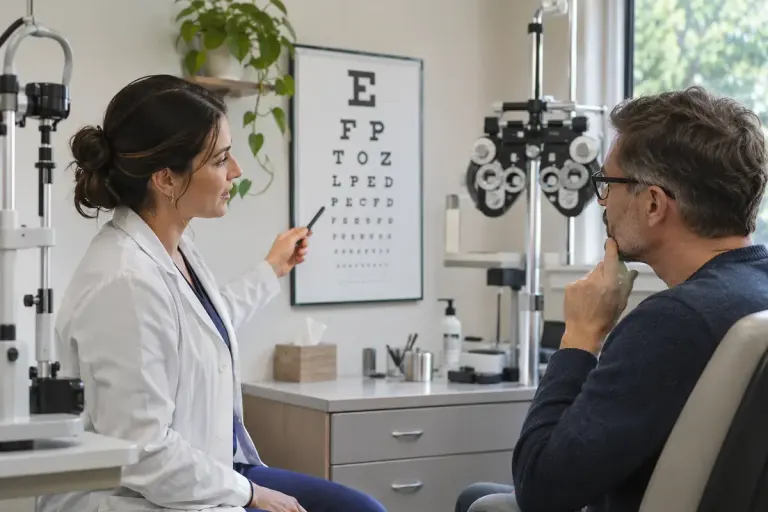
A result such as 20/40 describes distance visual acuity, not a percentage of total vision. Read the test conditions and correction alongside the fraction.

An eGFR result estimates kidney filtration. Read it with previous results, urine testing, and clinical context rather than treating one number as a diagnosis.

Ferritin helps assess stored iron, but a result needs clinical context. Prepare useful questions before deciding that an iron supplement is the answer.