Understanding Tests
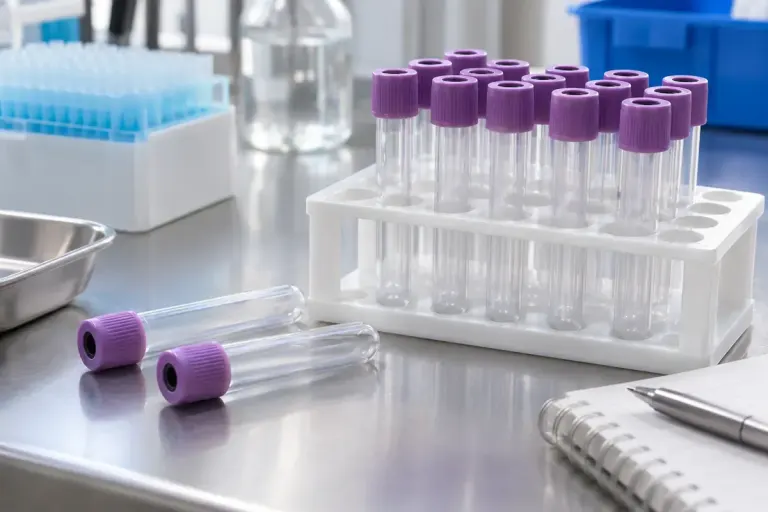
An osmolality test asks how concentrated a body fluid is
Understand what blood and urine osmolality tests measure, why results may be compared, and which preparation questions to ask before your appointment.

Make room for an informed decision.
Understand what blood and urine osmolality tests measure, why results may be compared, and which preparation questions to ask before your appointment.

A peak-flow diary needs consistent technique and timing. Learn which details to record and why your personal asthma plan matters more than a borrowed threshold.
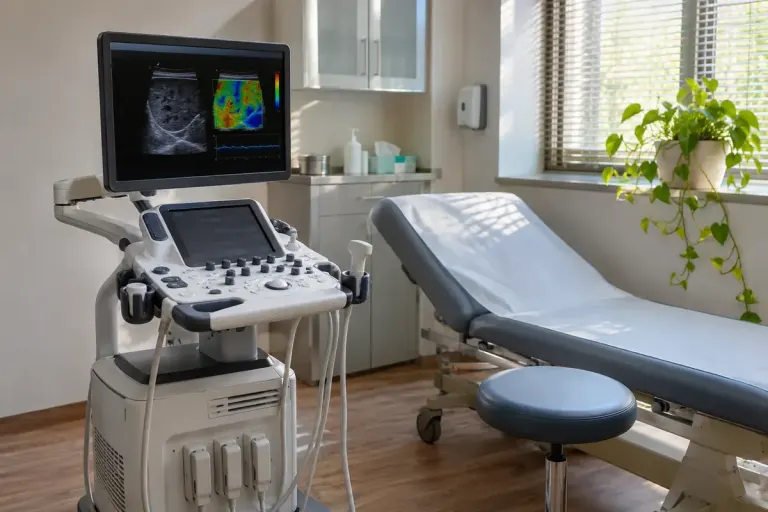
A liver stiffness scan gives your clinician one part of the picture. Prepare for transient elastography and ask how the result will be interpreted.
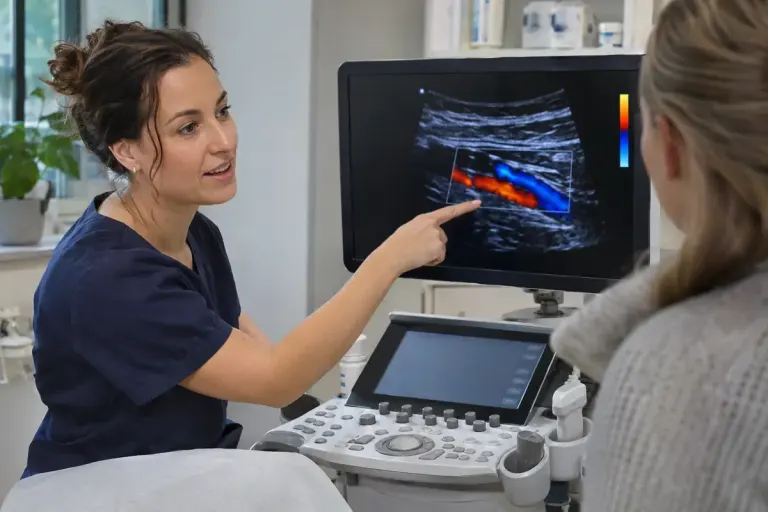
Red and blue on a Doppler ultrasound are display choices for flow information. Learn why the image needs its colour scale, settings and clinical report.

Laser hair removal usually involves a series of treatments because hair growth and response vary. Learn which questions make a treatment plan clearer.
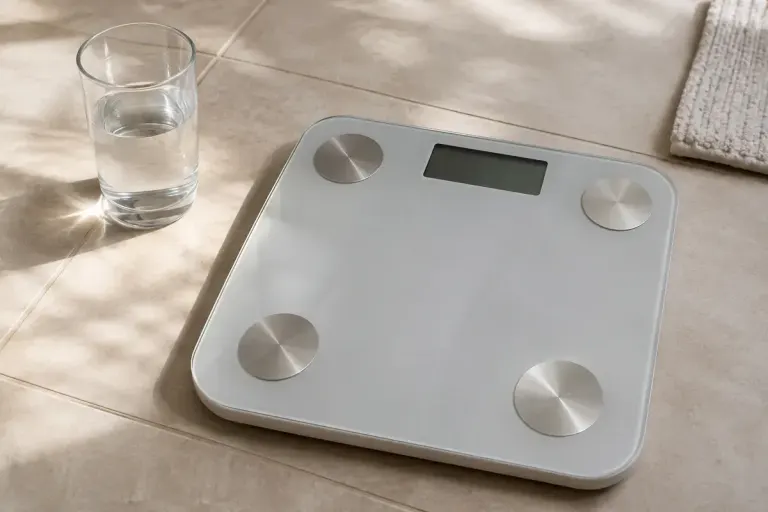
A body-composition scale estimates fat from electrical measurements and other inputs. Understand hydration-related variation before treating a daily change as a change in body fat.

Sebaceous filaments help oil reach the skin’s surface and can resemble blackheads. Learn why visible pores do not automatically need extraction or aggressive treatment.

A D-dimer test helps clinicians assess possible clotting problems, but a positive result has several explanations and must be read with symptoms and other evidence.
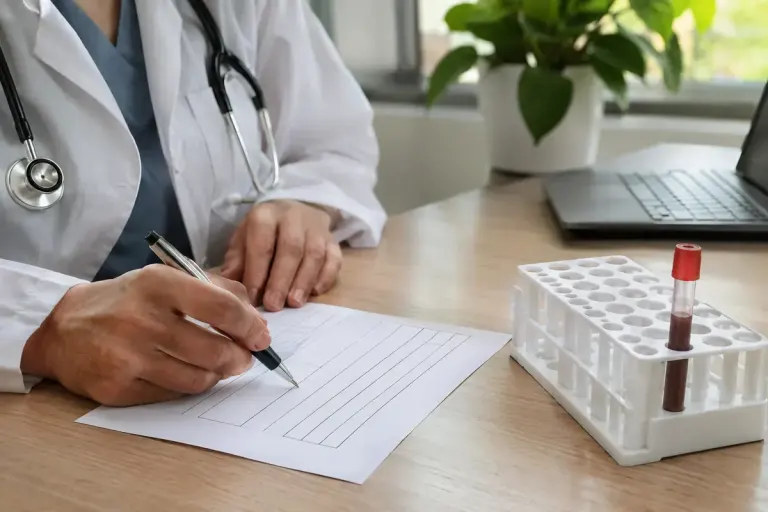
Albumin is a blood protein, but its test result is not a stand-alone nutrition score. Learn which context and follow-up questions help explain it.