Understanding Health Tests
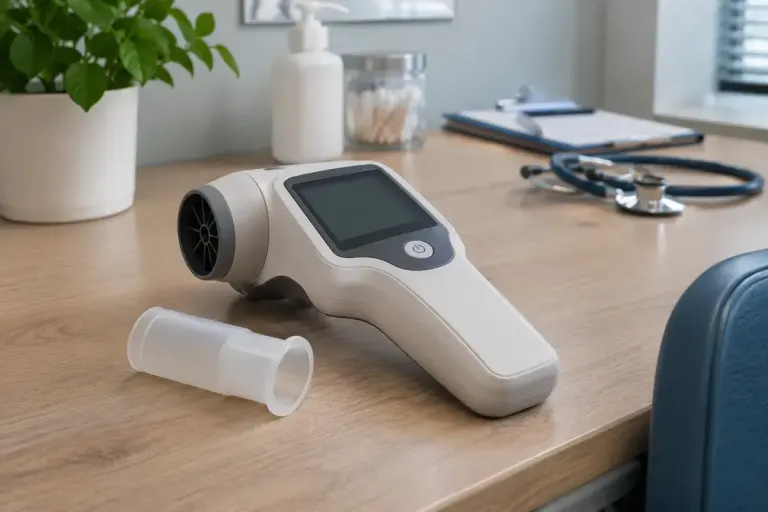
Reading spirometry: why the ratio matters alongside lung volume
FEV1, FVC and their ratio describe different parts of spirometry. Understand the labels so you can ask useful questions when a clinician explains the report.

Make room for an informed decision.
FEV1, FVC and their ratio describe different parts of spirometry. Understand the labels so you can ask useful questions when a clinician explains the report.
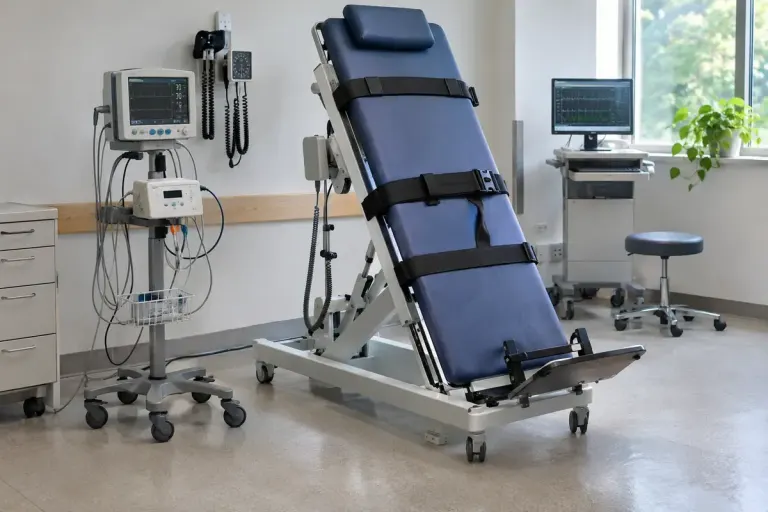
Learn what clinicians observe during a tilt-table test, which preparation details to confirm, and why a result needs your wider fainting history.

Before leaving a skin-biopsy appointment, confirm wound care, activity limits, warning signs and the route for receiving and understanding the result.
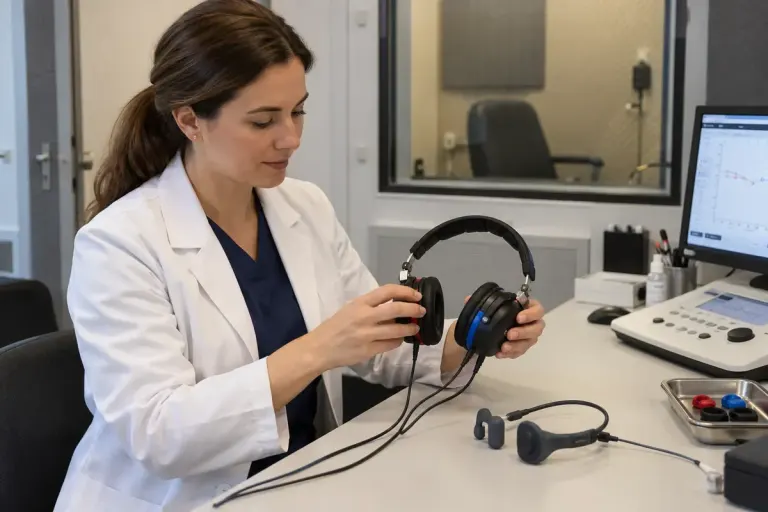
Air- and bone-conduction tests use different routes to assess hearing. Learn what to ask about the audiogram without trying to diagnose it from one symbol.
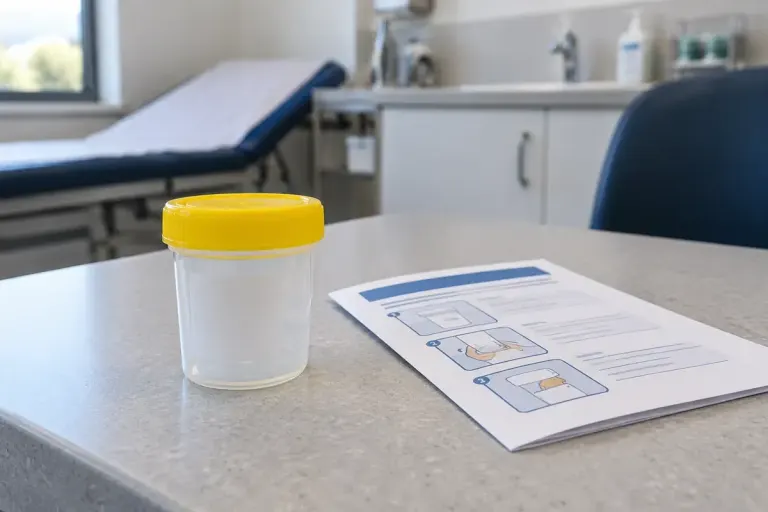
A midstream urine sample has specific collection and transport instructions. Confirm the supplied container, label details and return arrangements with the clinic.

Understand the comparison groups behind bone-density T-scores and Z-scores, and prepare useful questions for the clinician reviewing your report.

A short diary helps put 24-hour blood-pressure readings in context. Ask what to record about sleep, activity, symptoms and medicines during monitoring.

Medical patch testing for contact allergy usually involves more than one visit. Plan the return appointments and follow the clinic’s instructions throughout.

Make a clinic’s short-notice appointment list useful by specifying availability, contact preferences and any preparation requirements that need checking.